Azmira: The Arabic Display Font Blending Heritage with Modern Style
Finding a typeface that carries cultural weight without feeling archaic is a common challenge for designers working on global or Middle Eastern-focused projects. Many traditional Arabic fonts are beautiful but can feel too formal or historical for contemporary branding. On the other hand, overly simplified modern fonts often strip away the character and soul of the script. Azmira strikes a compelling balance. It is a modern Arabic display font designed to feel both timeless and fresh, drawing directly from the rich heritage of Arabic letterforms while embracing a clean, contemporary aesthetic.
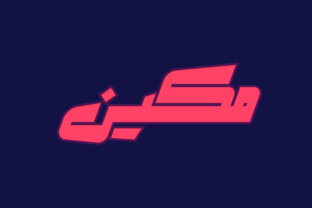
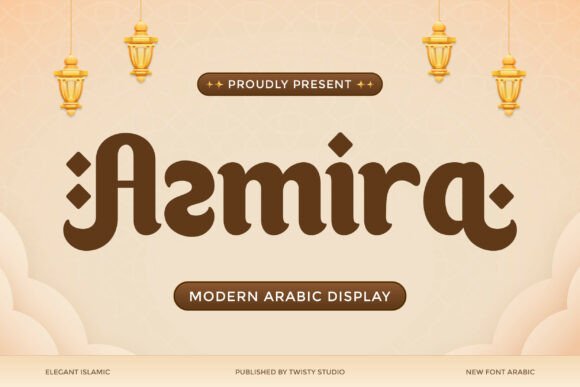
What makes Azmira stand out is its visual personality. The typeface features smooth, flowing curves and distinctive letter shapes that create a harmonious rhythm. Unlike rigid geometric fonts, Azmira has an organic quality—its lines feel confident and expressive, yet refined. The design avoids excessive ornamentation, focusing instead on elegance through simplicity. This makes it incredibly versatile. It doesn’t shout for attention; instead, it commands it through sophistication. Whether you're designing a logo, creating social media content, or laying out a publication, Azmira brings a unique clarity and cultural resonance that feels authentic and modern.
Where Azmira Truly Shines: Practical Applications
As a display font, Azmira is built for impact at larger sizes. Think headlines, logos, and prominent titles where its detailed letterforms can be fully appreciated. In logo design, it offers a strong foundation for brands that want to communicate elegance, cultural heritage, or premium quality. Its balanced structure ensures it remains legible even when used creatively, making it a reliable choice for brand identity projects that need to work across various media.
For editorial design and publishing, Azmira can elevate magazine covers, book titles, and chapter headings. Its flowing style adds a touch of artistry to layouts without compromising on professionalism. In the digital space, it’s highly effective for web design hero sections, app interfaces, and social media graphics where first impressions are crucial. The font’s clarity ensures it remains readable on screens, while its distinctive character helps content stand out in crowded feeds.
It also extends beautifully into physical products. For packaging design, especially for luxury goods, artisan products, or items with cultural significance, Azmira adds an immediate layer of perceived value and craftsmanship. Entrepreneurs and small business owners will find it useful for creating cohesive visual materials—from business cards and letterheads to promotional posters and merchandise. It’s a creative font that adapts to both commercial and personal projects with equal grace.
The Subtle Power of a Well-Chosen Typeface
Selecting a font like Azmira is more than an aesthetic decision; it’s a strategic one. Typography directly influences how your audience perceives your message. A premium font with a coherent personality like Azmira can significantly enhance brand perception. It signals attention to detail and a commitment to quality. When used consistently across all touchpoints—from your website to your invoices—it builds recognition and reinforces your brand identity in a subtle but powerful way.
Readability is another critical factor. While Azmira is a display font best suited for larger text, its design considers legibility. The smooth curves and clear letter separation prevent it from becoming overly decorative or hard to parse. This makes it a good choice for short blocks of text, pull quotes, or call-to-action phrases where you want style without sacrificing comprehension. However, for long-form body text, pairing it with a simpler sans serif font or a clean serif font is a smart approach to maintain visual hierarchy and ensure easy reading.
The right font pairing can elevate a design from good to exceptional. Azmira’s versatile elegance allows it to work well with a range of complementary typefaces. For a modern, high-contrast look, consider pairing it with a geometric sans serif font. For a more traditional or literary feel, a classic serif font could be an excellent match. The key is to let Azmira be the star for headlines and key phrases, while using a simpler font for supporting text to create a balanced and engaging layout.
Making the Most of Azmira in Your Projects
Before integrating any new design asset into your workflow, it’s wise to evaluate its fit. Start by reviewing the font’s full character set and any included styles. Does it have the weights you need? Are the numerals and punctuation designed with the same care as the letters? A quality commercial font like Azmira will typically include a robust set of glyphs to support various languages and typographic needs.
Always test the font in context. Mock up a headline for your next project or apply it to a sample social media graphic. See how it interacts with your color palette, imagery, and other typographic elements. This hands-on trial is the best way to judge its real-world impact. Pay attention to how it affects the overall mood and readability of your design.
Finally, be mindful of licensing. If you’re using Azmira for client work, merchandise, or any commercial project, ensure you have the appropriate commercial font license. This protects both you and your client and supports the type designers who create these valuable tools. A properly licensed premium font is an investment in the professionalism and legal safety of your work.
In a design landscape saturated with generic options, Azmira offers a thoughtful blend of tradition and modernity. It provides a sophisticated voice for projects that value cultural depth and contemporary clarity, making it a worthy addition to any designer’s typographic toolkit.