Bourbon: A Bold Vintage Font for Modern Brands
There’s a certain weight to vintage design. It’s not just about nostalgia; it’s about character, confidence, and a sense of history that modern minimalism often lacks. When you choose a typeface, you’re choosing a voice. If your project needs to speak with authority and a touch of timeless elegance, the Bourbon font is a compelling choice. This isn’t a quiet, background player. It’s a bold and vintage styled display font, designed to be seen and remembered.
Understanding the Bourbon Typeface
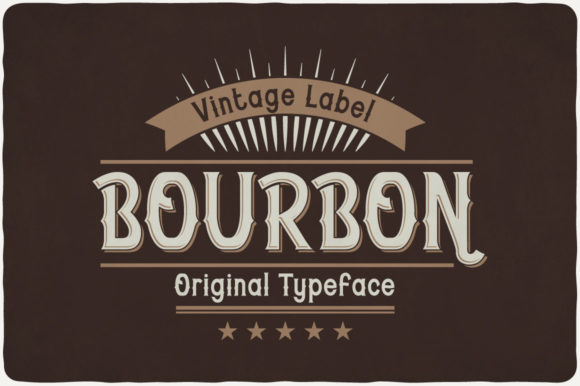
At its core, Bourbon is a premium font that commands attention. Its visual characteristics are rooted in classic design, featuring strong serifs, balanced proportions, and a subtle warmth that prevents it from feeling cold or overly rigid. The letterforms have a sophisticated weight, giving them an imposing presence on the page or screen. This is the kind of typeface that feels instantly familiar yet distinctly refined, making it an incredibly valuable asset for any designer’s library.
The personality of Bourbon is one of confident heritage. It evokes the craftsmanship of old-world labels, the prestige of established institutions, and the boldness of mid-century advertising. It’s a creative font that carries an inherent story. For entrepreneurs and small business owners, this means you can leverage its style to build a brand identity that feels established and trustworthy from day one. It’s a serif font with the impact of a display font, bridging the gap between readability and dramatic flair.
Where Bourbon Truly Shines: Practical Applications
The real value of any design asset is in its application. Bourbon excels in projects where a strong visual hierarchy and immediate brand perception are key. Think of it as your go-to for headline work, where its bold nature can set the tone.
Branding and Logo Design: This is where Bourbon feels most at home. For a logo, it provides a solid, recognizable foundation. It works exceptionally well for brands in the spirits, artisanal food, grooming, boutique retail, or hospitality sectors. Pair it with a clean sans serif font for body copy to create a perfect font pairing that balances classic style with modern clarity. The result is a brand identity that feels both premium and approachable.
Editorial and Packaging Design: In print, Bourbon makes a statement. Use it for magazine headlines, book covers, or the title of a lookbook to add instant sophistication. In packaging design, it can elevate a product on the shelf, suggesting quality and attention to detail. Imagine a hot sauce label, a craft whiskey bottle, or a gourmet coffee bag—Bourbon gives them an authoritative voice.
Digital and Marketing Materials: Don’t limit this font to print. Its boldness translates powerfully to digital platforms. Use it for hero sections on websites, impactful email headers, or standout social media graphics. It can make a promotional banner or a keynote slide feel more substantial. When used for web design, it’s best as a display font for headings, ensuring it captures attention without compromising the site’s overall readability.
Working with Bourbon: A Designer's Perspective
Choosing the right font is a practical decision. Before committing to Bourbon for a project, consider a few key factors. First, evaluate the project’s fit. Is the goal to convey tradition, strength, and premium quality? If so, it’s a strong candidate. If the project requires a ultra-modern, minimalist, or playful aesthetic, you may need to look elsewhere. This is about aligning the font’s personality with the project’s core message.
Testing is non-negotiable. Always view Bourbon in context. Set your actual headlines, not just “Lorem ipsum.” Check its readability at the sizes you intend to use. While it’s designed for impact, ensuring it remains legible on a mobile screen or at a distance is crucial. Examine the included styles—does the font family offer the weights and italics you need for a full design system? A good commercial font will provide this versatility.
Font pairing is where strategy comes in. Bourbon has a strong voice, so it needs a complementary partner. A clean, geometric sans serif font often creates a beautiful contrast, letting Bourbon own the headlines while the sans serif handles the body text with ease. You could also pair it with a subtle script or handwritten font for a touch of organic contrast, but be cautious to maintain clarity. The goal is harmony, not competition.
Finally, understand the licensing. If you’re using Bourbon for a client’s logo, merchandise, or a commercial app, you need the appropriate commercial license. This is a professional standard that protects both you and the font designer. Investing in a premium font like Bourbon is an investment in the quality and legal security of your work. It’s a design asset that pays dividends in the professionalism and recognition it brings to your projects.