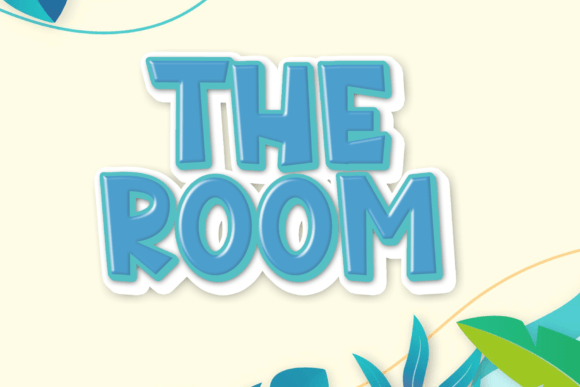
The Room Font: A Playful Choice for Cheerful Design
There’s a certain kind of design challenge that calls for something beyond a standard, neutral typeface. When you’re working on a project that needs to feel joyful, energetic, or aimed at a younger audience, the font you choose carries immense weight. This is where a display font like The Room comes into its own. It’s not just a set of letters; it’s a visual voice with a distinct personality, designed to inject a sense of fun and approachability into your work.
Understanding The Room's Visual Character
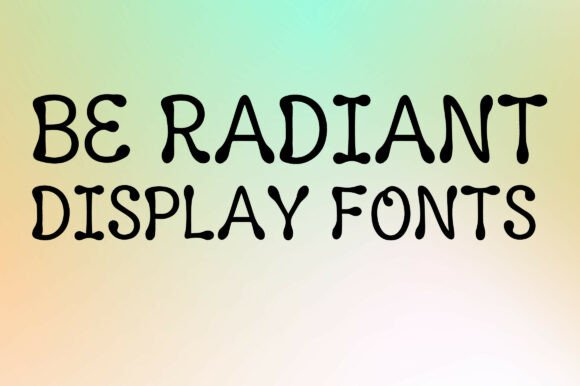
At its heart, The Room is a fun and quirky display font. Its letterforms are crafted with a playful irregularity, avoiding the rigid geometry of a modern sans serif font. You’ll notice rounded edges, slightly uneven baselines, and a handwritten quality that feels organic and friendly. This isn’t a font for setting long paragraphs of body text; its strength lies in headlines, logos, and short bursts of impactful text where its personality can shine without compromising readability.
The overall appeal is one of cheerful simplicity. It doesn’t rely on complex swashes or overly ornate details. Instead, its charm comes from its straightforward, almost childlike construction, which makes it incredibly versatile for specific applications. Think of it as the typographic equivalent of a bright, primary-colored illustration—it immediately sets a positive and welcoming tone.
Where The Room Truly Shines: Practical Applications
Knowing a font’s aesthetic is one thing; understanding where to deploy it is another. The Room excels in projects where a sense of joy and approachability is the primary goal. Here’s a practical breakdown of its ideal use cases:
- Children’s Products & Education: This is its natural habitat. For toy packaging, book covers, educational app interfaces, or daycare branding, The Room’s playful style is immediately engaging and appropriate.
- Food & Beverage Branding: Especially for brands targeting families or offering fun, indulgent treats—think ice cream parlors, cereal boxes, or playful snack packaging. It communicates approachability and enjoyment.
- Event & Party Graphics: Birthday invitations, event posters for family-friendly festivals, or social media graphics for a summer sale can all benefit from its energetic vibe.
- Digital Content for Younger Audiences: Blog headers, YouTube thumbnails, or podcast cover art aimed at parents or children can use The Room to visually signal their content focus.
- Crafting & Hobby Projects: For scrapbooking, DIY project labels, or personalized stationery, this creative font offers a handmade feel that resonates with crafters.
It’s less suited for formal corporate reports, luxury fashion branding, or any context where solemnity or high-end sophistication is required. Its strength is in its specificity.
Making The Room Work for Your Brand Identity
Integrating a display font like The Room into a brand identity requires thoughtful strategy. It shouldn’t be the workhorse of your entire typography system, but rather a highlighted accent. Use it for your primary logo, major headline text on your website, or key call-to-action buttons. Pair it with a highly legible, neutral sans serif font for body copy and supporting information. This creates a clear visual hierarchy: The Room captures attention and conveys personality, while the secondary font ensures all your detailed content remains easy to read.
Consistency is key. Once you decide to use The Room for a particular purpose—say, all your product names on packaging—stick with it. This builds recognition. The font’s PUA encoding is a significant practical advantage here. It means all the unique glyphs and ligatures are easily accessible, allowing you to add those subtle, character-defining touches that make your designs feel polished and intentional, even if you’re not a typography expert.
A Practical Guide to Choosing and Using The Room
Before you commit, run it through a simple evaluation. Does its personality align with your brand’s core message? Test it in context. Mock up a headline for your website or a label for your product. How does it feel? Readability is paramount, so always check its performance at the actual size it will be used. A font that looks charming in a 24-point headline might become illegible at 12 points.
Explore the font pairing possibilities. The Room often works well with clean, geometric sans serif fonts that provide a calm counterbalance to its energy. It can also complement a simple, legible serif font for a slightly more traditional but still friendly feel. Avoid pairing it with other highly decorative or script fonts, as this will create visual chaos.
Finally, understand the licensing. As a commercial font, ensure your license covers your intended use, whether it’s for a single personal project or for creating client work and merchandise. A clear understanding of the license protects you and respects the work of the type designer.
In the vast landscape of modern typography, The Room carves out a specific and valuable niche. It’s a purpose-built tool for injecting warmth, fun, and approachability into designs. When matched with the right project, it doesn’t just display words—it communicates a feeling, making it a worthy addition to any designer’s toolkit for the right kind of challenge.