Distressed Creative: A Typeface With Unapologetic Grit
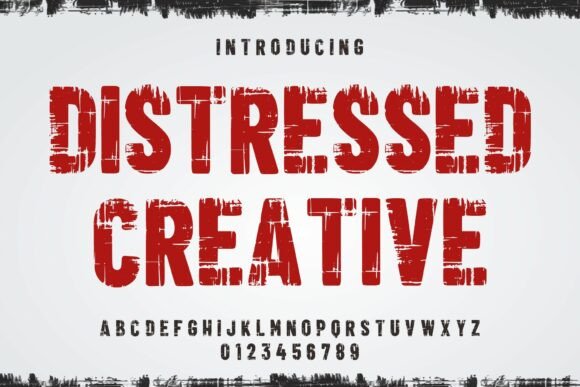
There’s a moment in a design project when everything feels too polished. The layouts are clean, the images are crisp, but something’s missing—a soul, a story, a sense of authenticity that connects on a gut level. This is where a typeface like Distressed Creative steps in, not as a subtle accent, but as a headline-grabbing protagonist. It’s a bold, stencil-style display font that doesn’t just sit on the page; it makes a statement, etched with the texture of time and use.
The Anatomy of an Authentic Voice
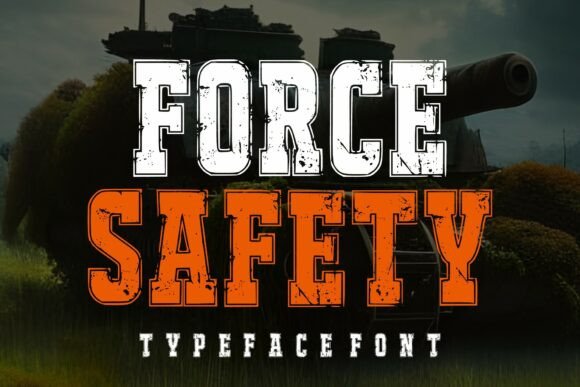
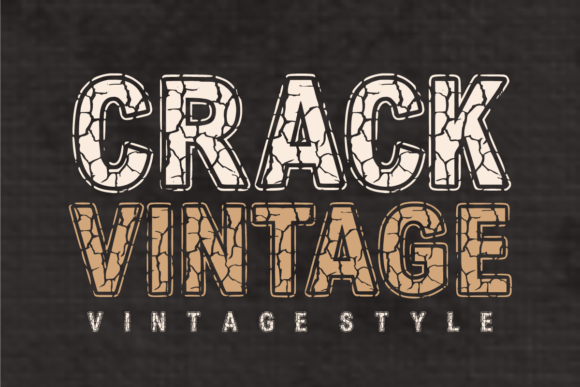
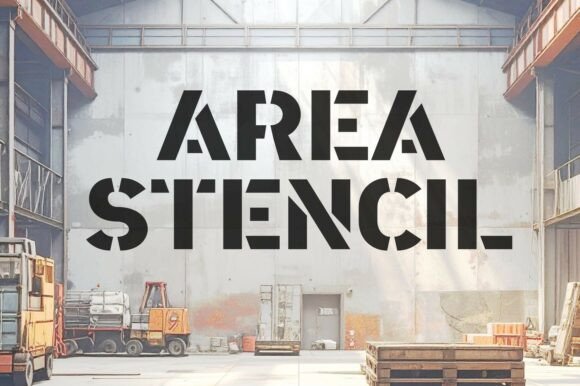
Forget the flawless vectors of modern typography for a moment. Distressed Creative is built on the beauty of imperfection. Its heavily weathered, “stamped-on” aesthetic is its core identity. Imagine the look of a vintage factory stamp, a well-used stencil in a workshop, or a flyer wheat-pasted on a brick wall that’s seen years of weather. The edges are uneven, the fill is textured with grunge effects, and the overall impression is one of rugged durability. This isn’t a font that whispers; it declares. Its personality is inherently rebellious, historical, and raw, making it a powerful tool for projects that need to convey toughness, authenticity, or a time-worn edge.
Where Grit Meets Strategy: Practical Applications
Knowing a font’s character is one thing; knowing where to deploy it is where real design skill comes in. Distressed Creative isn’t a workhorse for body text. Its strength lies in high-impact, limited-use scenarios where its unique texture can shine without overwhelming the viewer.
- Branding & Logo Design: For a craft brewery, a vintage motorcycle brand, an indie record label, or a rugged outdoor apparel company, this typeface can become the cornerstone of a brand identity. It instantly communicates heritage, hands-on quality, and a rejection of the mass-produced. Used in a logo, it tells a story before a single word of copy is read.
- Editorial & Print Design: Think magazine feature titles, book covers for gritty fiction, or event posters for music festivals and underground art shows. In editorial design, it can set a powerful tone for a specific section, pulling the reader into a different world. Its texture also holds up beautifully in print, especially on uncoated or textured paper stocks.
- Digital & Social Media: While a premium font like this requires careful consideration for web use, it can be spectacular in digital contexts. As a headline font for a specific landing page, a hero image overlay, or in bold, graphic social media posts, it cuts through the digital noise. It’s particularly effective for creating striking YouTube thumbnails, Instagram story graphics, or podcast cover art that demands attention.
- Packaging & Merchandise: This is where Distressed Creative truly excels. For limited-edition merchandise, label design for small-batch goods, or product packaging that aims for an artisanal, handcrafted feel, the font adds tangible value. It makes a product look established, as if it has a story and a legacy, which is a powerful driver of consumer perception.
Mastering the Balance: Readability and Hierarchy
Introducing a textured, creative font like this requires a thoughtful approach to visual hierarchy. Its primary role is for headlines, titles, and short, impactful phrases. Using it for a paragraph of text would quickly become illegible and exhausting for the reader. The rule of thumb is contrast. Pair it with a clean, neutral companion. A simple sans serif font or a classic serif font for subheadings and body copy creates a perfect visual dialogue. The Distressed Creative typeface draws the eye and sets the mood, while the companion font delivers the detailed information with clarity.
This pairing strategy also influences brand perception. The combination of a rugged headline font with a clean, professional body font tells a sophisticated story: your brand has depth and character (the distressed texture) but also values clarity and reliability (the clean type). This balance is crucial for maintaining professionalism while showcasing personality. It prevents the design from feeling chaotic or amateurish, instead framing the grit as an intentional, curated element of the brand identity.
A Practical Guide to Choosing and Using This Typeface
Before you commit to Distressed Creative for your next project, walk through a quick evaluation. First, test the font pairing. Don’t just assume it will work with your existing brand fonts. Set a headline in Distressed Creative and try it with several different sans serif and serif options for body copy. Look for contrast in weight and texture, but harmony in mood.
Next, consider the context. Is your project digital-only, or will it be printed? If printing, what’s the paper like? The texture of this typeface interacts beautifully with physical media, but on a low-resolution screen, some of its finer details might get lost. Always test it at the actual size it will be viewed. For a small social media icon, its impact may be reduced; for a full-page poster, it will be magnificent.
Finally, understand the licensing. As a commercial font, ensure the license covers all your intended uses—whether that’s for a client’s logo, merchandise for sale, or digital advertising. A reputable foundry or distributor will make this clear. Treat this font as a valuable design asset. Its power lies in its specificity. Used thoughtfully, Distressed Creative doesn’t just decorate a design; it imbues it with a narrative, a sense of place, and an unforgettable, textured voice that stands apart in a world of smooth, digital perfection.