Monogram Retro: The Classic Varsity Font for Bold Branding
Capturing the Spirit of Athletic Heritage in Typography
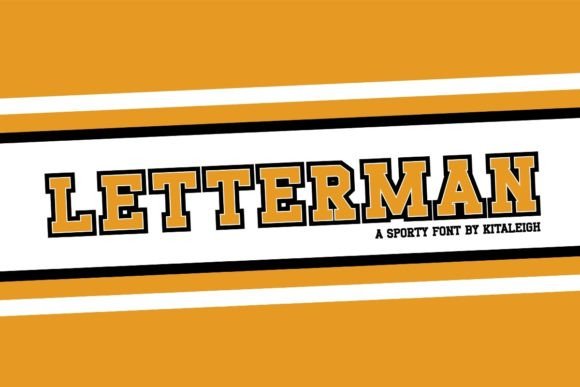
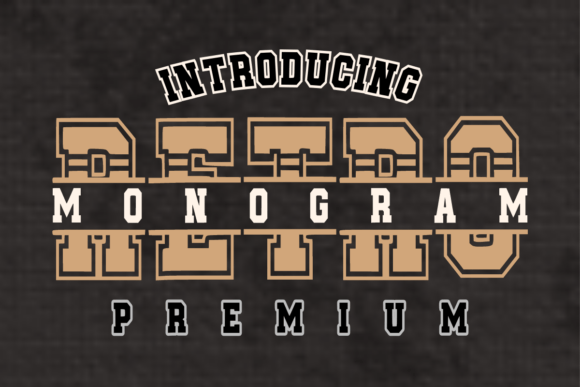
There’s a distinct feeling evoked by vintage sports graphics—the weight of tradition, the promise of victory, and a no-nonsense confidence. Monogram Retro channels that exact energy into a modern premium font. It isn't just a collection of letters; it is a display font engineered to embody the structured, geometric precision of classic collegiate athletics. When you look at the typeface, you immediately notice the sharp, blocky aesthetic. It avoids the softness of a script font or the casual flow of a handwritten font, opting instead for the authoritative stance of a championship trophy.
The visual personality of Monogram Retro is defined by its interlocking capabilities. Unlike standard fonts that simply sit side-by-side, these characters are designed to stack and connect. This creates a monolithic, unified appearance that is essential for high-end athletic branding. The geometric lines are clean and deliberate, ensuring that whether you are scaling the design for a massive stadium banner or shrinking it for a chest logo, the integrity of the shape remains intact. It is a typeface that demands attention without needing to shout, relying on its structural weight to do the heavy lifting.
Practical Applications for Modern Creators
Understanding where to deploy a font like Monogram Retro is key to maximizing its potential. Because it is a heavy, display-oriented typeface, it is not suited for body copy or long-form reading. Instead, its strength lies in impact. For designers and entrepreneurs, this font is a powerhouse for logo design. Specifically, if you are building a brand identity for a gym, a sports team, or a streetwear label, this typeface provides an instant "established" look. It suggests a history of excellence, even if the brand was founded yesterday.
However, the utility of Monogram Retro extends far beyond the gym. Consider the following applications where this creative font shines:
- Apparel and Merchandise: It is perfectly optimized for embroidery. The thick, uniform strokes translate beautifully onto varsity jackets, hoodies, and caps, ensuring high readability in stitching.
- Editorial and Packaging Design: Use it for drop caps in editorial design to anchor a feature story, or as the primary typography on packaging design for rugged, masculine, or heritage-themed products.
- Digital and Web Design: On a website, use it sparingly for hero sections or call-to-action headers. It creates a strong visual hierarchy, guiding the user’s eye exactly where you want it.
- Social Media Graphics: For social media graphics, especially on platforms like Instagram, the stacked monogram style creates a square or vertical composition that fits perfectly within mobile feeds, grabbing attention during a quick scroll.
Influence on Brand Perception and Consistency
Typography is the voice of your brand, and choosing Monogram Retro sets a specific tone. It influences brand perception by projecting values of durability, tradition, and seriousness. If your goal is to appear approachable and whimsical, this might not be the right fit. But if you want to convey trustworthiness and a competitive edge, this is the tool for the job.
In terms of visual hierarchy, Monogram Retro acts as an anchor. Because it is a display font, it commands the highest level of attention. Pairing it correctly is essential to maintain balance. You would rarely pair this font with another strong serif font or a decorative script, as they would fight for dominance. Instead, practical design principles suggest pairing Monogram Retro with a clean, neutral sans serif font. For example, using a light weight geometric sans serif for subheadings allows the heavy block letters of the main title to remain the undisputed focal point. This contrast ensures your message is delivered with clarity and style.
Strategic Selection and Implementation
When evaluating whether Monogram Retro fits your project, look beyond the surface. First, consider the context of your industry. While it is a commercial font suited for business, its "varsity" association is strong. If you are designing for a law firm or a pediatric clinic, the athletic connotation might confuse your audience. However, for a coffee roastery, a vintage barbershop, or a tech startup wanting to signal they are "winning," the retro vibe works perfectly.
Next, review the included styles and features. A high-quality typeface like this often includes alternates, ligatures, or specialized monogram frames. Take the time to test these features. Create mockups of your brand identity assets before purchasing. Place the logo on a business card, a website header, and a t-shirt to see how the weight of the font interacts with different backgrounds and sizes.
Finally, pay attention to readability considerations. Because the letters are designed to interlock, tracking (the space between letters) can be tight. Ensure that your specific combination of letters doesn't create awkward spacing. Furthermore, always verify the licensing. If you are creating design assets for a client or selling merchandise, you need a license that covers commercial use. Using a premium font legally protects your business and supports the type designers who create these intricate tools.
Monogram Retro is more than just a nostalgic nod to the past; it is a versatile, strategic asset for modern modern typography. By understanding its visual weight and ideal applications, you can leverage this typeface to build brands that feel timeless, authoritative, and ready to win.