First Bunny: A Chunky, Bold Display Font with Retro Soul
Capturing a Playful, Modern Vibe in Your Designs
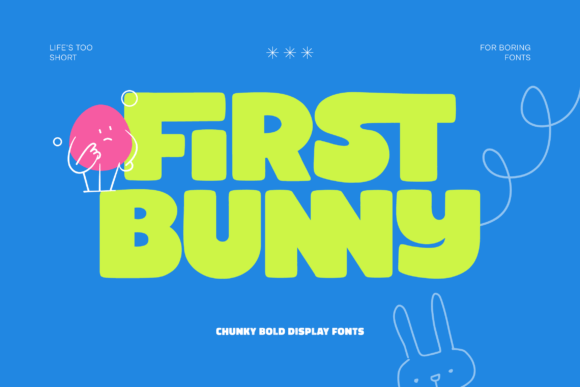
When a project calls for energy, warmth, and a touch of nostalgic fun, the typeface you choose becomes a critical voice. Enter First Bunny, a premium display font that doesn’t just sit quietly on the page—it makes an entrance. This isn’t another generic, rounded sans serif. First Bunny is a characterful typeface with a distinct personality: chunky, bold, and unapologetically joyful. Its visual language is built on thick, rounded strokes and a bubbly, soft silhouette, creating an immediate sense of friendliness and approachability.
The design philosophy behind First Bunny leans into the aesthetic of late 90s and Y2K pop culture, but it filters that retro nostalgia through a clean, contemporary lens. You get the playful exuberance of that era without the dated feel. The result is a typeface that feels both familiar and fresh. It’s the kind of creative font that can anchor a brand identity centered on positivity, youthfulness, or creative disruption. Think of the bold, friendly logos of modern snack brands, the catchy headlines on a lifestyle blog, or the vibrant graphics of a community festival. First Bunny provides that instant visual impact, transforming standard text into a memorable element of your design.
Where First Bunny Truly Shines: Practical Applications
Understanding a font’s strengths is key to using it effectively. First Bunny isn’t a workhorse for long body text; its power lies in making a statement. Its bold weight and distinctive shapes are optimized for display use, where clarity and personality are paramount at larger sizes. This makes it an excellent tool for a wide range of projects where grabbing attention is the first step.
- Branding & Logo Design: For startups, streetwear labels, or lifestyle brands targeting a young, energetic audience, First Bunny can form the core of a memorable logo. Its friendly curves build instant rapport, while its boldness ensures the brand name is legible and strong across various applications.
- Marketing & Social Media: In the fast-scrolling world of social media, a graphic needs to stop the thumb. First Bunny excels for social media graphics, Instagram stories, and online ads. Use it for a powerful headline or a key call-to-action to inject personality and improve engagement.
- Packaging & Editorial Design: On a shelf crowded with minimalist sans serifs, a product using First Bunny stands out. It’s perfect for food packaging, cosmetic labels, or book covers that aim for a fun, approachable, or retro vibe. In editorial design, it can create striking pull quotes or chapter headings in magazines and zines.
- Web & UI Design: Used strategically, First Bunny can add a burst of character to a website. It works beautifully for hero section headlines, section titles, or button text where you want to guide the user’s eye with a friendly, confident tone. Paired with a clean, neutral sans serif font for body copy, it creates a dynamic and readable hierarchy.
From event posters and merchandise to personal craft projects and digital invitations, First Bunny adapts to any context that benefits from a bold, friendly character. It’s a design asset that encourages creativity, helping you move away from safe, generic typography choices.
Making an Informed Choice: Using First Bunny in Your Workflow
Choosing a display font like First Bunny involves more than just liking how it looks. You need to evaluate its fit for your specific project and audience. Here’s a practical guide to integrating it effectively.
Evaluate the Project’s Tone: Ask yourself if the project’s message aligns with the font’s personality. First Bunny communicates optimism, creativity, and approachability. It’s ideal for a children’s educational app, a vibrant café, or a creative agency’s portfolio. It might be less suitable for a law firm’s annual report or a luxury watch brand seeking understated elegance, where a refined serif font might be more appropriate.
Test Font Pairings: The hallmark of good modern typography is thoughtful pairing. First Bunny’s strong character pairs best with more neutral, versatile typefaces. A clean sans serif font like Helvetica, Inter, or Lato for body text creates a balanced and professional hierarchy. For a different dynamic, pairing it with a simple, understated serif font can create a compelling contrast between playful and traditional. Avoid pairing it with other highly decorative script fonts or handwritten fonts, as this can lead to visual clutter.
Consider Readability: While First Bunny is designed for clarity at display sizes, always test it in context. Check the legibility of tricky letter combinations (like “rn” or “cl”) in your chosen background and color scheme. Its rounded forms are generally friendly, but ensure sufficient contrast and spacing, especially for critical text like logos or headlines.
Review the License and Files: As a commercial font, First Bunny comes with a license that outlines permissible uses. Namara Creative provides clear terms, so review them to ensure your project—whether it’s a client’s brand identity, merchandise for sale, or a digital product—is fully covered. Typically, a premium font package includes multiple file formats (OTF, TTF, WOFF) for seamless use across desktop design software and web projects.
By thoughtfully applying First Bunny, you leverage more than just a set of glyphs. You harness a carefully crafted visual tone. It’s a tool for building brand identity, enhancing audience connection, and ensuring your creative work is not only seen but felt. In a world saturated with visual noise, choosing a typeface with a distinct, positive personality is a strategic decision that can elevate your entire project.