Fun Spine: The Retro Display Font That Bounces with Personality
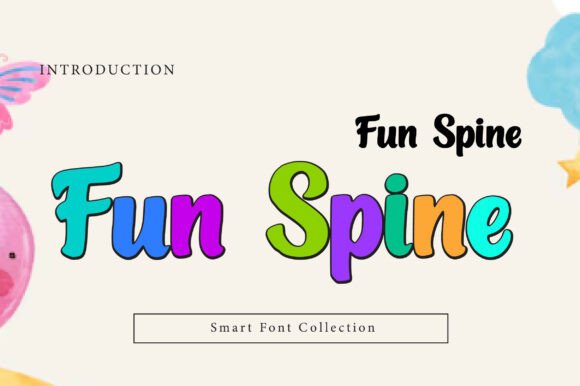
When you need a typeface that doesn't just occupy space but actively energizes it, Fun Spine enters the conversation. This isn't a quiet, neutral font waiting for instruction. Fun Spine is a bold, bouncy retro display font with soft curves, chunky strokes, and a friendly hand-drawn vibe. It carries a distinct personality—one that feels optimistic, approachable, and inherently playful. Think of it as the typographic equivalent of a well-loved toy or a vibrant piece of pop art. Its design prioritizes warmth and character, making it an invaluable creative font for projects that need to connect on an emotional level, particularly with families, children, or any audience that appreciates a dose of lighthearted energy.
The Visual Anatomy of a Friendly Typeface
At its core, the visual appeal of Fun Spine lies in its intentional construction. The strokes are chunky and confident, providing excellent presence on both digital screens and printed materials. Yet, this boldness is softened by generously rounded terminals and edges. There are no sharp, aggressive points here; every curve feels welcoming. This combination of weight and softness gives the Fun Spine typeface a unique tactile quality, as if the letters were carefully crafted from soft clay or inflated slightly, ready to bounce off the page.
The "spine" of each letterform—the central structural line—has a subtle, rhythmic energy. This isn't a static, rigid geometry. Instead, there's a gentle, consistent bounce in the baseline and x-height that creates movement. This rhythmic quality is what makes headings set in Fun Spine feel alive. It avoids the monotony of more rigid sans serif font families, offering instead a dynamic flow that guides the reader's eye with a sense of fun. The overall effect is one of joyful imperfection, reminiscent of skilled hand-lettering but with the consistency and reliability of a professional premium font.
Strategic Applications: Where Fun Spine Truly Shines
Understanding a font's personality is one thing; knowing where to deploy it is where strategy meets creativity. Fun Spine excels in contexts where high visibility, approachability, and a sense of play are non-negotiable. Its design DNA makes it a natural fit for specific industries and project types.
- Children's Products & Education: This is Fun Spine's home turf. The thick, well-defined letterforms are perfect for young readers still developing literacy skills. Use it for nursery decor, children's book titles, educational app interfaces, and classroom materials. The friendly vibe reduces intimidation and makes learning content feel inviting.
- Event & Party Design: Birthday invitations, baby shower banners, and festive social media graphics come alive with Fun Spine. Its bouncy character instantly sets a celebratory tone, eliminating the need for excessive decorative elements to convey excitement.
- Digital Content & Thumbnails: In the crowded space of YouTube thumbnails, podcast cover art, or gaming overlays, Fun Spine's bold strokes and high legibility ensure your title is readable even at small sizes. It communicates energy and entertainment value at a glance.
- Packaging & Branding for Playful Brands: Toy packaging, snack foods for kids, or any brand with a youthful, energetic identity can leverage Fun Spine in their logo design or on-package copy. It helps build a brand identity that feels approachable and fun-loving.
- Creative & Personal Projects: Crafters and hobbyists will find it ideal for scrapbooking, custom stickers, and personalized gifts. Its "sticker-ready" aesthetic works beautifully with layering techniques, bright gradients, and 3D effects in design software.
Design Considerations: Pairing, Hierarchy, and Professional Use
Integrating a character-rich font like Fun Spine into a cohesive design system requires thoughtful pairing and application. Its strength is in headlines, subheadings, and short bursts of impactful text. Using it for long paragraphs would be impractical and visually fatiguing. The key is to build a clear visual hierarchy.
A proven strategy is to pair Fun Spine with a clean, neutral sans serif font or a simple serif font for body text. The contrast allows the display font's personality to shine without overwhelming the reader. For example, a brand might use Fun Spine for its primary logo and all hero headings, then switch to a font like Lato or Open Sans for website body copy and product descriptions. This maintains brand consistency while ensuring readability across all touchpoints, from a website's web design to its printed brochures.
When evaluating project fit, ask: Does the project's tone align with a bouncy, retro, and friendly aesthetic? If you're designing for a law firm or a luxury watch brand, Fun Spine is likely the wrong tool. But for a community center's flyer, a local bakery's chalkboard menu, or a family vlogger's social media graphics, it can be the perfect choice to inject warmth and recognition. Always test the font in context. See how it looks with your chosen color palette—bright, saturated colors often complement its energy best. Check its legibility at the intended sizes, especially for critical information like event dates or website URLs.
Finally, for any commercial application, ensure you are using a properly licensed commercial font. Investing in a licensed version of a creative font like Fun Spine not only gives you legal peace of mind but often provides access to additional styles, weights, and glyph variations that can further enhance your design assets. Whether you're crafting a one-off invitation or building a full brand identity, the right typeface is a foundational asset. Fun Spine offers a distinct, joyful voice that, when used strategically, can make your projects more engaging, memorable, and effective at connecting with their intended audience.