Terror Blade: Unleash Raw Horror in Your Designs
The Anatomy of a Slasher Typeface
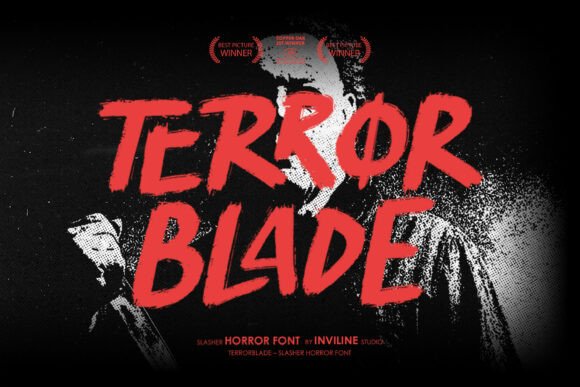
When you look at Terror Blade, you aren’t just seeing a set of letters; you are witnessing the aftermath of a cinematic massacre. This typeface is a visceral tribute to the golden age of VHS horror and grindhouse cinema. It doesn't politely ask for attention—it demands it with the subtlety of a chainsaw. The defining feature of this premium font is its construction. It mimics raw, chaotic brush strokes that feel like they were applied with a heavy hand and a dark intent. The angles are jagged, and the edges are rough, creating a texture that looks genuinely carved or slashed onto the surface.
In the realm of modern typography, Terror Blade stands out because it prioritizes energy over legibility in the traditional sense. It is a display font designed for high impact, short-form text. Unlike a clean sans serif font or a classic serif font, this typeface has a volatile personality. It captures the spirit of suspense and slaughter, making it an essential design asset for anyone looking to inject adrenaline into their projects. If your goal is to make the viewer feel uneasy or thrilled before they even read the content, this is the tool to use.
Strategic Applications: Where Blood Meets Brand
Understanding where to deploy Terror Blade is key to mastering its power. Because it is such a distinct creative font, it has specific lanes where it thrives. The most obvious application is in entertainment. For indie filmmakers, this typeface is a gift for logo design and movie posters. It instantly sets the genre expectations for a slasher film or a psychological thriller without needing a single word of explanation. Similarly, it works exceptionally well for Halloween event promotions, haunted house flyers, and heavy metal band merchandise.
Beyond the obvious gore, consider how Terror Blade can be used in packaging design. Imagine a hot sauce label or a craft beer brand that leans into a "dangerously spicy" or "monster brew" theme. This font provides that immediate visual shorthand. For content creators and gamers, it is excellent for YouTube thumbnails or Twitch overlays where high contrast and immediate recognition are vital. However, it is rarely suited for web design body copy or corporate editorial design. Its strength lies in being a headline-grabber, not a storyteller for long-form text.
Refining Your Visual Hierarchy
One of the most critical aspects of using a heavy display typeface like Terror Blade is managing visual hierarchy. In typography, hierarchy guides the viewer’s eye through the design. Because this font is so aggressive and textured, it naturally sits at the top of the pyramid. It demands to be the primary focal point. If you try to use it for subheadings or body text, you will destroy the readability and muddy the message.
When integrating this into your brand identity, think of it as the "shout" in a conversation. You need quieter elements to balance it out. This is where font pairing becomes your best friend. A common mistake is pairing Terror Blade with another loud, ornate script font or a complex handwritten font. This creates visual noise. Instead, the best practice is to pair it with something stable and neutral. A geometric sans serif font or a simple, legible serif works perfectly to ground the chaos of the headline. This contrast ensures that while the title screams "horror," the supporting text remains professional and readable.
Practical Execution and Licensing
Before you finalize a project using Terror Blade, you need to evaluate the technical and legal fit. First, always test the font in the specific medium you are targeting. A font that looks menacing on a matte movie poster might look muddy on a low-resolution screen or a textured t-shirt. Print a test swatch if you are doing print design for packaging or apparel. Pay attention to the kerning (the space between letters). With jagged fonts like this, manual kerning adjustments are often necessary to ensure the letters don't collide in an unreadable mess, particularly with capital letters.
From a business perspective, ensure you understand the licensing. As a commercial font, Terror Blade typically comes with specific terms regarding usage. Whether you are a small business owner creating a logo, a publisher designing a book cover, or a marketer running a seasonal campaign, verify that your license covers your intended use. Most premium font licenses are flexible, but it is always professional diligence to check.
Enhancing Audience Engagement
Ultimately, the goal of using a typeface like Terror Blade is engagement. In a crowded digital landscape, social media graphics and advertisements need to stop the scroll. This font possesses the "stop factor." It evokes a visceral emotional response—fear, excitement, curiosity. For entrepreneurs and brand identity specialists, leveraging these emotions can significantly boost click-through rates and brand recall.
However, use it sparingly. If every post uses Terror Blade, the impact diminishes, and the brand can feel aggressive or unapproachable. Save it for product launches, seasonal events, or specific campaign themes where that "slasher" energy is appropriate. When used with strategic restraint, this horror display font is not just a typeface; it is a storytelling device that cuts through the noise and leaves a lasting, bloody impression on your audience.