Pencil Crayon: A Font with Handmade Charm
There's a certain warmth to a hand-drawn letterform that digital perfection often misses. It’s the slight wobble, the textured stroke, the feeling that a real person made a mark on paper. This is the exact energy captured by Pencil Crayon, a premium display font that blends the character of a pencil sketch with the vibrancy of chalk. It’s not just a typeface; it’s a texture, a mood, and a creative tool designed for projects that need a personal, authentic touch.
Visual Personality: More Than Just Letters
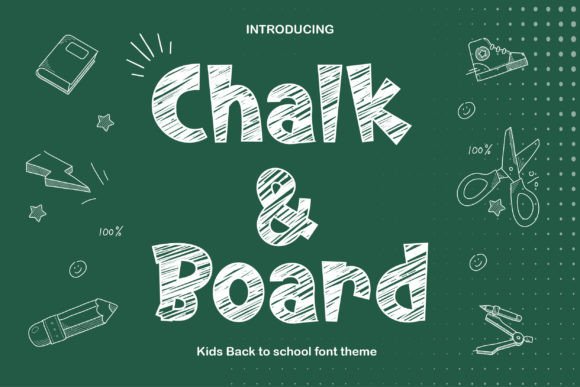
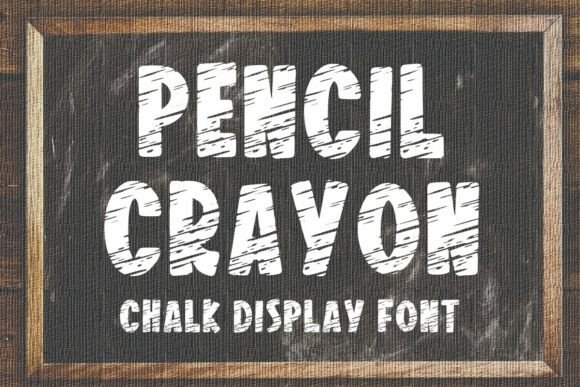
At first glance, Pencil Crayon feels familiar. Its characters mimic the uneven pressure and gritty texture of a colored pencil or a piece of soft chalk on a blackboard. The strokes have a visible, organic grain, avoiding the sterile smoothness of many digital fonts. This isn't a formal serif font or a clean sans serif font. It’s a display font in the truest sense, meant to be seen and to set a tone. Its personality is approachable, creative, and slightly nostalgic, evoking memories of classroom art projects and cozy, handmade crafts.
The font’s style is inherently handwritten, but it’s carefully crafted for consistency and legibility at display sizes. Each letterform maintains a cohesive look, ensuring that words and headlines read smoothly while retaining that charming, handcrafted appeal. This balance is what separates a well-designed creative font from a simple novelty. It’s built to work, not just to decorate.
Where Pencil Crayon Truly Shines
Understanding a font’s strengths is key to using it effectively. Pencil Crayon excels in contexts where you want to inject personality, warmth, and a human element. It’s a powerful tool for brand identity projects aiming for a friendly, artisanal, or educational vibe. Think of a local bakery’s logo, a children’s book title, or the branding for a creative workshop. It immediately communicates a hands-on, personal service.
In marketing and social media graphics, it cuts through the noise of overly polished corporate visuals. Use it for Instagram story headings, Facebook ad text, or email newsletter banners to create a more engaging, conversational feel. For editorial design, it makes fantastic pull quotes, chapter headings, or feature article titles in magazines and blogs, especially those focused on lifestyle, DIY, food, or parenting.
The font also translates beautifully into print and physical products. It’s a natural fit for packaging design for artisanal goods, greeting card sentiments, wedding invitation details, planner stickers, and photo album annotations. Its textured appearance gives printed materials a tactile quality that stands out. For web design, use it sparingly for key headlines or call-to-action phrases to add a burst of personality without overwhelming the clean functionality of body text.
Making Pencil Crayon Work for Your Project
Choosing any premium font involves practical consideration. First, evaluate the project fit. Pencil Crayon is a display typeface, so it’s not suited for long paragraphs of body copy. Its strength lies in headlines, titles, logos, and short bursts of impactful text. Pairing it correctly is crucial. It works beautifully alongside clean, simple serif fonts or sans serif fonts. A classic serif like Garamond or a modern sans serif like Montserrat can provide a stable, readable foundation, allowing Pencil Crayon’s personality to pop without causing visual chaos.
Always test the font in context. Check its readability at the intended size, especially for critical information like a business name or event date. Review the full character set and any included styles—does it have the punctuation and language support you need? Finally, for any commercial use, always verify the licensing. Most reputable foundries offer clear licenses for desktop, web, and app usage, ensuring your project is legally sound.
In a digital world saturated with flawless vectors and algorithmic precision, a font like Pencil Crayon offers a valuable alternative. It brings the irregular, joyful imperfection of hand-lettering into your design assets, helping you create work that feels more connected, more human, and ultimately, more memorable. It’s a typeface that doesn’t just spell words—it conveys a feeling, making it a versatile and valuable addition to any designer’s or creator’s toolkit.